




Junior and Club Cricket Gear in Australia: An Age-by-Age Guide to Equipment, Safety and Team Ordering

Buying junior cricket equipment in Australia? Age-by-age gear priorities, helmet rules, sizing mistakes, sets vs pieces and club teamwear ordering tips.
Junior cricket equipment in Australia should match the player's age, level and format. A first-season player needs a correctly sized bat, a helmet certified to BS 7928:2013, pads, gloves and an abdominal guard. Premium willow, personal extras and matching accessories can wait. Confirm requirements with your club or association before buying.
Most families buy junior gear the same way: a quick search, a long list of products and a lot of marketing noise. The result is often a bat that is too heavy, a helmet that does not fit or a premium purchase that a nine-year-old does not need yet. I have seen the same buying mistakes repeat for years, and almost all of them are avoidable.
This guide is a hub for parents, junior coordinators, school sport teachers and club volunteers. It explains how junior cricket is structured, what to buy at each age stage, which safety items are non-negotiable, and how to plan shared kit and teamwear orders around the season. Where a topic needs more depth, such as the full equipment checklist, glove and pad sizing or junior bats, those are covered in separate Highmark Cricket guides.
Key Takeaways
- Gear should suit the player's actual level, format and budget. It should not be the most expensive option.
- Ball weights, pitch lengths and formats are scaled by age, so confirm the rules with your local association before you shop.
- Helmet, pads, gloves and an abdominal guard are the safety essentials. Helmets should be certified to BS 7928:2013.
- Most sizing mistakes come from buying to "grow into" gear. A bat that is too heavy hurts technique and enjoyment.
- A junior cricket set is good value for a first season. Buy pieces separately once the player is committed and growing quickly.
- Clubs and schools save time and money by planning kit audits and teamwear orders before the season starts, not during it.
Summary Table: Junior Cricket Gear by Stage and Buying Situation
| Stage or situation | Buy first | Can wait | Where to save |
|---|---|---|---|
| Entry program (youngest players) | Light, correctly sized bat, soft or junior ball, comfortable clothing and shoes | Pads, gloves and helmet, unless your program requires them | Plastic or junior sets, no premium willow |
| Early club age groups (roughly late primary school) | Helmet, pads, gloves, abdominal guard, sized bat | Personal bag, extra accessories, premium bat | Entry-level or mid-range protective gear that fits well |
| Older juniors (roughly early to mid high school) | Well-fitted protective gear, a bat suited to strength and format | Top-grade bat until technique and level justify it | Durable mid-range items, shared club kit for keeping gear |
| Club or school squad | Audit of shared kit, safety gear in good condition | Matching accessories and extras | Consolidated orders, repeat suppliers |
| Club teamwear | Confirmed sizes, design sign-off, order before season | Late additions and extras | Ordering once, with a size run, rather than piecemeal |
How Australian Junior Cricket Is Structured
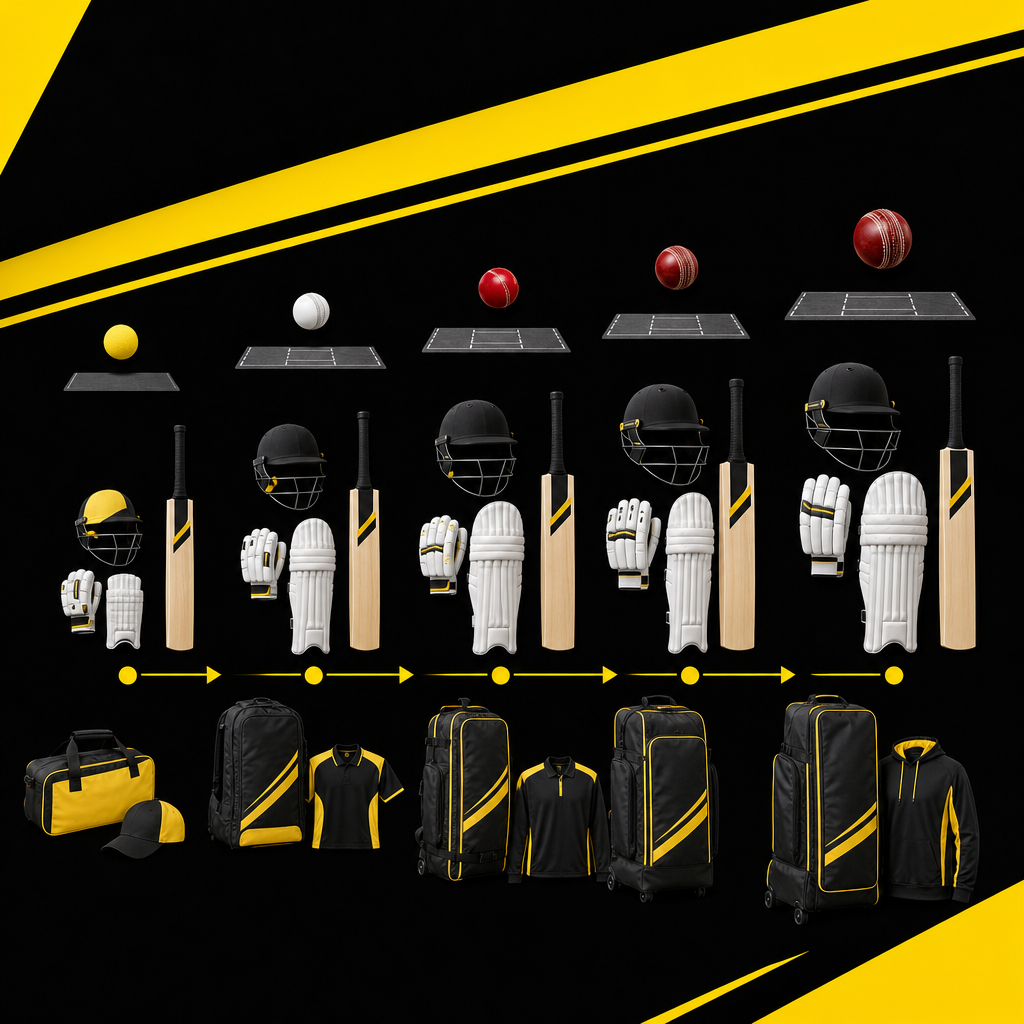
Australian junior cricket starts with entry programs for the youngest players, then moves into under-age club competitions. As players move up, ball weights, pitch lengths and formats are adjusted. Each change affects the gear a child needs, so check your association's playing conditions before you buy.
Cricket Australia runs its entry program, Cricket Blast, through clubs and centres across the country. It is built around fun, short games and learning the basics. The equipment is usually modest and often supplied by the program, which is why a first-time family should ask what is provided before buying anything.
From there, children move into under-age club formats run by local associations, each with state oversight. Cricket Australia publishes junior format guidelines for the community game, and associations adapt them locally. I will not quote ball weights or pitch lengths here because they change by age group and association. Check the current figures with your local association or club.
Why does this matter for equipment? Three reasons.
- Ball weight and hardness. A lighter or softer ball in the early years changes how much protection a player needs. A harder ball in the older age groups raises the stakes for helmets, gloves and pads.
- Pitch length. Shorter pitches at younger ages change how quickly the ball arrives. That affects whether keepers stand up and how close fielders can safely stand.
- Format. Short, fast formats suit a lighter bat that a child can swing freely. Longer formats reward a bat that suits the player's strength and technique.
The practical step is simple. Before spending anything, ask your club which age group your child is in, what ball is used and what protective gear is required or recommended. Then buy to that, not to a generic checklist.
Age-Stage Gear Priorities: What Is Essential, What Can Wait
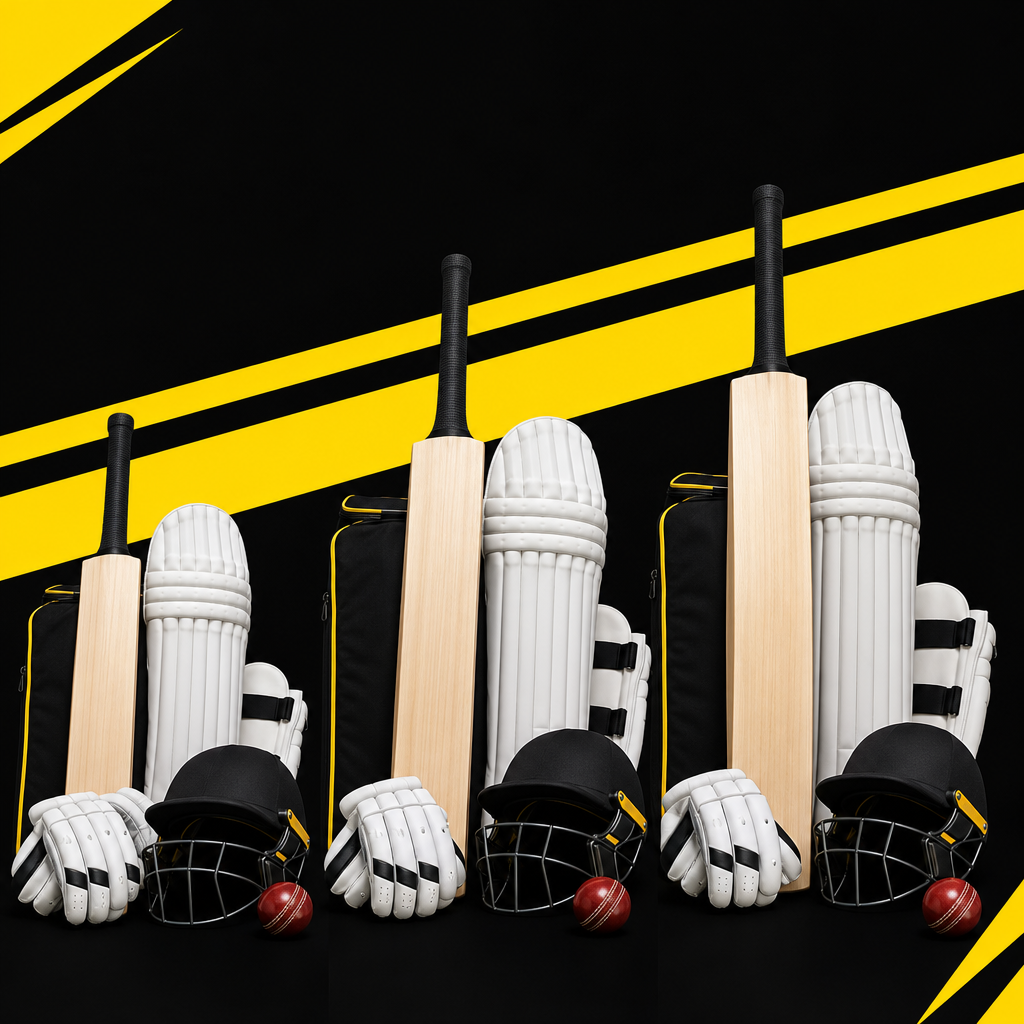
Gear priorities change with age. Younger players need a light bat and comfort. Players in club age groups need full safety gear that fits. Older juniors benefit from better-matched bats and durable protection. At every stage, spend where fit and safety matter, and save where performance gains are small.
The age bands below are rough guides. A tall eight-year-old and a small twelve-year-old do not follow a table, so use age as a starting point only. The full list of items is in our Cricket Equipment Checklist, which covers each piece in detail.
Under 8 and entry programs
At this stage the priorities are a light, correctly sized bat, a ball suited to the program, comfortable clothing, a hat and sun protection. Many entry programs supply bats and balls. Ask before buying.
A full set of protective gear is often not needed yet, depending on the program. If a child is batting against a harder ball or keeping, your club will tell you what is required. What can wait: premium bats, personal bags and branded accessories. Where to save: a quality junior set or a single well-sized bat is plenty for a first season.
Roughly 9 to 12
This is where most families make their first real purchase. Players are facing a cricket ball in a club competition, so the safety items move from optional to essential. Buy a helmet that fits properly, batting pads, batting gloves and an abdominal guard. Add a bat that suits the child's height and strength.
What can wait: a top-grade bat, a personal bag and spare accessories. Where to save: a well-made entry or mid-range bat and mid-range protective gear that fits well will outperform expensive gear that does not. Children in this band can outgrow items in a season or two, which makes a premium price harder to justify.
Roughly 13 to 16
Players at this stage are stronger, more specialised and more likely to play multiple formats. A bat that suits their strength, pickup and playing style starts to matter. Wicketkeeping gear becomes relevant for those who keep. Protective gear should be replaced as it wears or the player grows.
What can wait: a top-grade English Willow bat until the player's level and commitment justify it. Where to save: choose durable mid-range pads and gloves, and use club-owned keeping gear if your club offers it. If you are weighing a bat, our guides to the Best Cricket Bats for Juniors and English Willow vs Kashmir Willow explain the trade-offs.
Safety Requirements: Helmets, Keepers, Close Fielders and Protective Gear
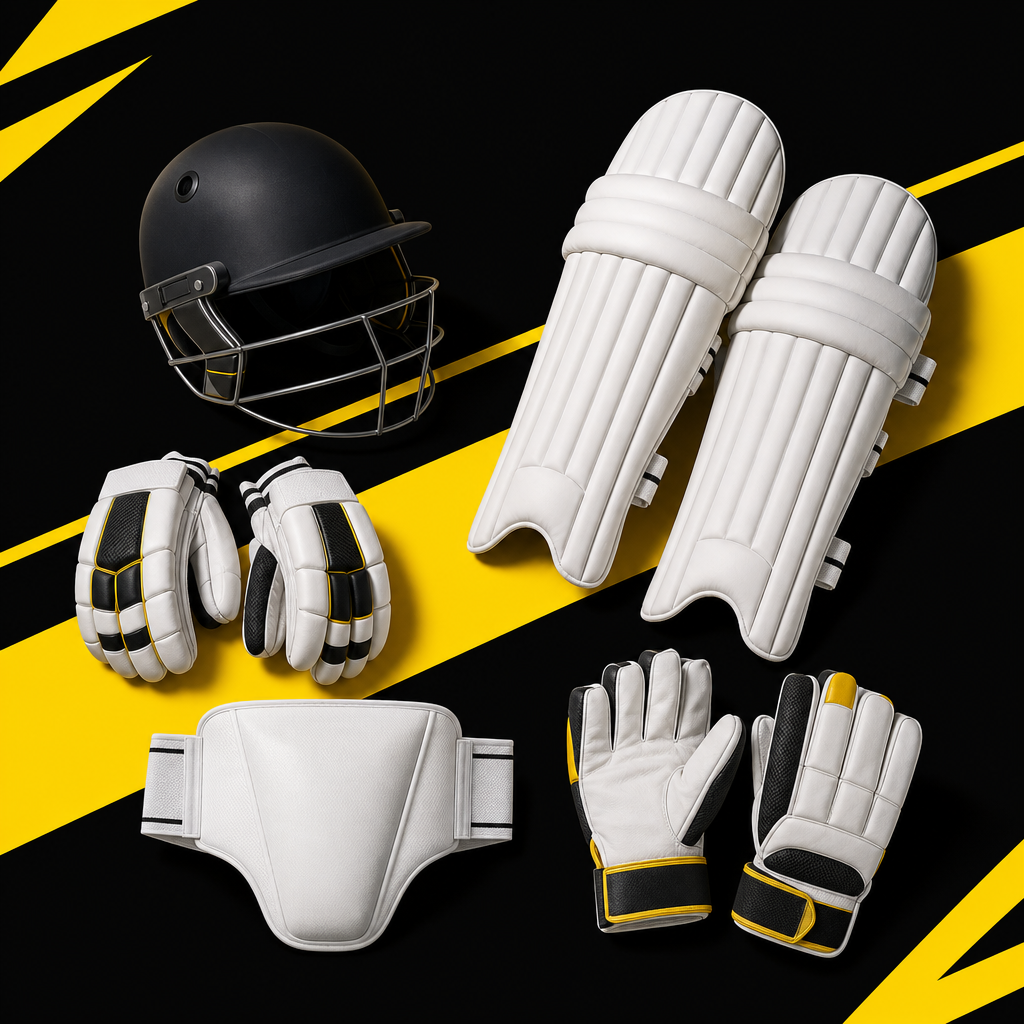
Batters should wear a helmet, and many associations also require one for wicketkeepers standing up and for close fielders. Helmets should be certified to BS 7928:2013. Pads, gloves and an abdominal guard are non-negotiable for batters facing a cricket ball. Always confirm current rules with your club or state association.
Helmet rules are set by Cricket Australia's safety guidance and by state associations and local competitions, and they can differ. I would rather point you to the source than quote a rule that may have changed. Ask your club or association for their current policy on helmets for batters, wicketkeepers standing up to the stumps and fielders close to the bat.
What to look for in a junior helmet
- Certification. Look for BS 7928:2013, the British Standard for cricket helmets. It should be stated on the helmet or its packaging.
- Fit. A helmet should sit level, be snug without pressure points and not move when the player shakes their head. Adjustable sizing helps, but it does not replace trying one on.
- Faceguard design. The faceguard should give clear vision and sit properly so a ball cannot get through. Check it suits the ball your child will actually face.
- Condition. Replace a helmet after a significant impact or if it shows damage, and follow the manufacturer's guidance. Avoid second-hand helmets with unknown history.
Keepers and close fielders
A keeper standing up to the stumps and a fielder in close are exposed to the ball in the same way a batter is. Many junior associations require helmets here. Keepers also need keeping gloves and inners, and often pads. Ask your club whether it holds shared keeping gear before you buy.
The non-negotiables for batters
- Abdominal guard. Worn under clothing by batters and keepers. It is a small cost and should not be skipped.
- Batting pads. They protect the shins and knees. Poorly sized pads slow a child down and can slip out of position.
- Batting gloves. They protect fingers and hands and should fit snugly with room to grip the handle. Our Batting Glove and Pad Size Guide shows how to measure.
Protective gear is where I would not cut corners on fit or certification. It is also where mid-range, well-fitted products from trusted brands deliver good quality, durability and value.
Junior Sizing: The Most Common Mistakes
The most common sizing mistake is buying a size up so the child can grow into it. Oversized bats, pads and gloves reduce control and technique, and they can raise injury risk. Fit gear to the player today, and use the brand's size chart rather than age alone.
Here are the mistakes I see most often.
- Buying to grow into it. A bat that is too heavy forces a child to change their grip and swing. They get worse, then lose interest. Choose a size the child can control now.
- Sizing by age only. Brands label sizes differently, and children of the same age vary a lot. Use height and the manufacturer's chart.
- Ignoring pickup. Two bats in the same size can feel very different in the hand. Weight and balance matter as much as length.
- Gloves that are too large. Loose gloves twist on the handle and leave fingers exposed. Fit should be snug but not tight.
- Pads that are the wrong length. Pads that ride up or restrict the knee slow running between the wickets and shift when the player moves.
- Forgetting left and right. Gloves, pads and some guards are handed. Check before ordering.
For measurement steps, use our Batting Glove and Pad Size Guide and the bat sizing advice inside Best Cricket Bats for Juniors. If you are unsure, ask for help. We often work through sizing with parents by phone or message before they buy, because a short conversation prevents an expensive return.
Beginner Gear and Junior Cricket Sets: When a Set Makes Sense
A junior cricket set is good value for a first season, when you do not yet know whether the child will stick with the game. Buy pieces separately once the player is committed, growing quickly or playing in a competition that has specific safety requirements.
A set bundles the main items into one purchase, usually at a lower combined price than buying each piece individually. For a beginner, that simplicity helps. You are not comparing a dozen products, and the pieces are designed to work together at the right size.
A set is good value when:
- The child is new to the game and the family wants a simple, low-risk start.
- The entry program or school supplies most of the safety gear and you only need basics.
- You are buying for backyard cricket and casual play.
- You want one consistent size across bat, pads and gloves for a younger player.
Buy pieces separately when:
- Your club requires a certified helmet or specific protective items. Check what the set includes before you assume it is enough.
- The child is growing quickly and different items will be outgrown at different times.
- Fit matters more than convenience, for example when pads or gloves need to suit a particular hand or leg size.
- The child has a strong preference for a particular bat and is ready for a better one.
Check set contents carefully. Some sets are designed for backyard play and do not include safety gear that meets club requirements. Confirm what is in the box against your club's list, then top up with a certified helmet or abdominal guard if needed. Highmark Cricket stocks junior sets and individual protective gear, so you can start with a set and add pieces as the season goes on.
School and Club Buying: Shared Kit, Teamwear and Order Planning
Schools and clubs should audit shared kit before the season, replace worn safety gear first, and place teamwear orders early enough to allow for sizing and supplier lead times. Consolidating orders into one planned purchase saves volunteer time and avoids pre-season stock problems.
Equipping a shared kit bag
A shared bag lets many juniors play without every family buying everything. A practical kit usually includes:
- A range of bat sizes, so players can find a fit rather than a compromise.
- Helmets in a few sizes, in good condition and meeting BS 7928:2013.
- Pads and gloves in junior sizes, left and right hand.
- Abdominal guards. Many clubs ask players to supply their own for hygiene reasons, so check your policy.
- Wicketkeeping gloves and inners, and a few spare balls.
- A first-aid kit and a clear process for retiring damaged gear.
School sport teachers and club volunteers should keep a simple register of what the bag holds, and its condition. Inspect safety gear at the start of the season and remove anything cracked, loose or overly worn. A durable mid-range item that survives a season of shared use is usually better value than a premium item that gets the same treatment.
Ordering club teamwear
Teamwear takes longer than most volunteers expect. Designs need approval, sizes need collecting and the supplier needs time to produce the order. Late orders mean players turn up on day one without kit, and volunteers chase parents for sizes at the worst time.
A few habits make this easier:
- Collect sizes once, in a single form, and keep a spare size run for late registrations.
- Agree the design, colours and sponsor logos with the committee before contacting suppliers.
- Ask your supplier about lead times in writing. Do not assume.
- Order for juniors and seniors together where the design matches. It simplifies the process and standardises the look.
Our teamwear and clothing range covers the common club needs, and clubs and schools can contact the team for honest advice on squad gear and teamwear orders. Ask about what is available and what lead times apply for your situation.
A practical timeline for the season
The steps below are general advice. Exact timing depends on your association's calendar and your supplier's lead times, so confirm both.
- Off-season: Audit the shared kit bag. List what is worn, outdated or missing. Review the safety gear first.
- Early pre-season: Confirm the age groups, formats and gear requirements with your association. Set a budget. Agree the teamwear design.
- Mid pre-season: Collect player sizes and place the teamwear order. Order replacement protective gear and kit bag items at the same time.
- Late pre-season: Hand out gear, check fit with players and let families know what they still need to buy themselves.
- First weeks of the season: Do a fit check for new players, fix gaps and note what to change next year.
- End of season: Review sale and clearance options for next season's needs, then retire damaged gear. Clearance stock can suit squad kit where the product is current-use and in your sizes.
Why I Tell Parents to Spend on Fit, Not on the Bat
My view is blunt: for a beginner, the helmet, pads and gloves matter more than the bat, and fit matters more than price. The best product is the one suited to the player's level and budget, not just the most expensive option.
Consider a parent whose child is starting under-10s. They have been told that a top-grade English Willow bat is "the real thing", so they buy one and have little budget left for the helmet and pads. This is a hypothetical, but it reflects a pattern we see regularly. The child is eight or nine, still learning to hit a ball consistently and likely to outgrow the bat within a couple of seasons. A premium bat will not fix a swing that is still forming, and a first-season player can damage it long before its performance edge matters.
The better-fit option is a well-sized, entry or mid-range bat, whether Kashmir Willow or an entry-grade English Willow junior bat, with the rest of the budget going into a properly fitted certified helmet, pads and gloves. The child plays more comfortably, the family stays safer and there is money left to upgrade when the player's level justifies it.
Where premium English Willow does make sense, the issue is different: no two bats are the same. Grain, weight distribution and pickup vary, and many customers hesitate to buy a premium bat online without handling it. We responded by building a personalised selection process. We share photos, weights and pickup feedback on shortlisted bats, then guide the customer based on age, playing style and level of cricket. In our experience, this noticeably improved confidence on interstate online orders, reduced unsuitable bat purchases and led to repeat customers and referrals. I am not quoting figures because we have not published them here, but the pattern is clear.
The broader lesson applies to clubs and schools as well. Fast dispatch matters, but long-term trust comes from practical buying advice, product knowledge and honest answers, including telling someone they do not need the premium option.
Next Steps
If you are buying for one child, start with the fit and safety essentials, then add the bat. Shop Highmark Cricket junior sets and protective gear for a simple, well-matched start. If you coordinate a club or school, contact the Highmark Cricket team for honest advice on squad gear and teamwear orders. We will tell you what your players need and what they do not.
References
- Cricket Australia, community and junior cricket resources and playing guidelines: https://www.cricket.com.au
- British Standards Institution, BS 7928:2013, Specification for head protectors for cricketers: https://www.bsigroup.com
- Product Safety Australia (ACCC), consumer product safety information: https://www.productsafety.gov.au
Frequently asked questions
What junior cricket equipment does a beginner need in Australia?
A beginner needs a correctly sized bat, a suitable ball and comfortable clothing and shoes. Once they face a cricket ball in a club competition, add a helmet certified to BS 7928:2013, pads, gloves and an abdominal guard. Check your program or club for what is supplied and what is required.
Do junior cricketers have to wear a helmet in Australia?
Rules depend on Cricket Australia guidance and your state association or local competition. Many require helmets for batters, and often for wicketkeepers standing up and close fielders. Ask your club for the current policy, and choose a helmet certified to BS 7928:2013 that fits properly.
Is a junior cricket set enough for club cricket?
Sometimes, but check first. Many sets are designed for backyard play and may not include a certified helmet or other items your club requires. Compare the contents to your club's list, then add missing safety gear separately.
What size cricket bat does my child need?
Size depends on height, strength and the brand's own chart, not age alone. Choose a bat the child can control comfortably now, not one to grow into.
When should a club order teamwear?
Order well before the season starts, once sizes and the design are confirmed. Ask your supplier for lead times in writing, and keep a spare size run for late registrations. Exact timing varies by supplier and association calendar.
